Why Locals Keep Returning to Their Favorite Pizza Place in Cheyenne
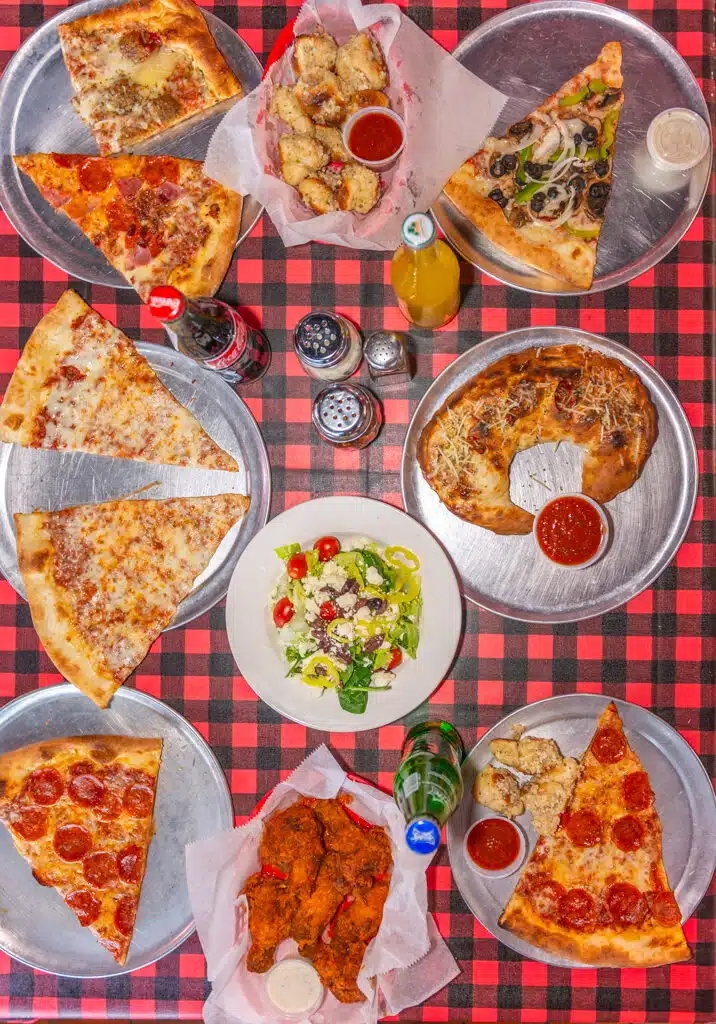
Cheyenne is the kind of city where habits matter. People notice when a business changes hands, when a cook leaves, when the sauce tastes a little sweeter than it did last winter. They notice which places stay open late after a high school game, which dining rooms feel easy with kids in tow, and which restaurants still treat regulars like neighbors instead of transactions. That local memory shapes loyalty, especially when it comes to pizza.
A favorite pizza place is rarely just about melted cheese and a hot oven. In Cheyenne, repeat business usually comes from something steadier and harder to fake. It is the feeling that a place knows what it is, knows what its customers want, and delivers it week after week. People return because the food satisfies, of course, but also because the experience becomes part of their routine. Friday night pickup. A table after youth sports. A quick lunch on a workday. A pie brought home when nobody feels like cooking and everyone wants something they agree on.
That mix of reliability, comfort, and flavor explains why locals are selective. When people talk about a great pizza place Cheyenne residents stick with, they usually are not describing a one-time novelty. They are talking about a place that fits into real life.
Consistency beats hype every time
A lot of restaurants can make a strong first impression. Fewer can make the same pizza well on a crowded Saturday night in January, during a summer rodeo rush, and again on an ordinary Tuesday when half the staff called in sick. Consistency is what separates the place people try from the place they keep.
That starts with the crust. Locals may disagree about whether they prefer thin, hand-tossed, pan, or something with a little more chew, but they notice when the texture is right every time. A dependable crust has structure. It holds a slice without collapsing. It has enough color on the bottom to taste baked rather than steamed. If the edge has a bit of char, it should feel intentional, not accidental. Those details sound small until they vary from visit to visit. Then people stop trusting the kitchen.
The same goes for sauce and cheese balance. Too much sauce and the center goes wet. Too little and the whole pizza tastes flat. A cheese blanket that looks generous in the box can still disappoint if the blend turns greasy or rubbery after five minutes on the table. Regular customers know the difference because they have eaten the same pie enough times to feel every shortcut.
This is one reason locals often become devoted to independent or well-run regional shops. They can tell when the dough is properly managed, when toppings are portioned with care, and when the oven is handled by people who understand heat rather than just timers. That kind of consistency builds trust. Trust builds habit. Habit fills the dining room for years.
Familiarity matters more than novelty
Cheyenne diners are not opposed to variety, but most repeat visits are built on familiarity. People come back to the places where they already know what to order, how long it will take, and how the meal will fit the evening. That predictability has real value.
A parent ordering dinner for four after a long workday is not looking for a culinary gamble. Neither is the crew heading in after a shift, or the couple grabbing something easy before a school event. They want to know the pizza they liked last month will taste the same tonight. They want the ranch to be the ranch they remember. They want the wings crisp enough, the side salad cold, and the pickup order packed correctly. Familiarity lowers friction, and restaurants that reduce friction earn repeat customers.
There is also an emotional side to it. Favorite pizza places become attached to milestones people hardly notice at first. Team celebrations. Snow days. Birthdays where nobody wanted to cook. Out-of-town relatives in for Frontier Days. Once a restaurant starts showing up in those memories, loyalty deepens. The food remains central, but the place begins to carry personal history too.
Service has a longer memory than people think
Ask locals why they keep returning to one restaurant over another, and service comes up quickly. Not polished, rehearsed hospitality, but practical competence. People remember whether the counter staff looked up when they walked in. They remember whether someone fixed a mistake without argument. They remember if delivery arrived roughly when promised or if pickup meant standing in a corner for twenty extra minutes with no update.
Good service in a pizza restaurant often looks simple because the best teams make it feel effortless. Phones are answered promptly. Orders are repeated back clearly. Special requests are handled without eye-rolling. The front of house can move a line during rush periods while still greeting regulars by name. Families with small children are made to feel welcome rather than inconvenient.
That last point pizza place cheyenne matters more than many operators realize. Pizza is family food. A dining room that can absorb a little noise, a few spills, and the chaos of tired kids has a major advantage. So does a place that treats teenagers ordering a single pie after a game with the same respect it gives an adult spending more. People notice dignity. They also notice indifference.
In small and midsize cities, service reputation travels fast. One rude interaction can circulate for months. So can one generous act. If a restaurant remakes a pizza without fuss because it came out wrong, the customer may tell ten people. If the manager remembers a regular’s standing order, that becomes part of the place’s identity. These details create a kind of social proof far stronger than a clever ad campaign.
The room itself changes how the pizza tastes
Not literally, but almost. Atmosphere shapes loyalty in ways that are hard to measure and easy to feel. A favorite pizza spot in Cheyenne usually understands its own personality. It does not need to be fancy. It needs to feel coherent.
Some places succeed because they are lively without becoming chaotic. Others win because they are relaxed, a little worn in, and comfortable enough that nobody feels rushed. The chairs matter. The lighting matters. The volume of the television matters. So does whether the dining room smells like baking dough and oregano or stale fryer oil.
Cheyenne has a practical culture. People tend to appreciate spaces that feel honest. If a restaurant presents itself as casual, the experience should support that. Clean tables, prompt refills, sturdy booths, a dining room that can handle boots in winter and dusty jeans in summer, all of that matters more than trendy décor. A place can be modest and still be deeply appealing if it feels cared for.
That environment becomes especially important in colder months. During a Wyoming winter, a warm restaurant with a reliable oven and a welcoming room offers more than food. It gives people somewhere to settle in. If that experience is good enough a few times, it becomes a default choice whenever the weather turns or energy runs low.
Menus that know their audience tend to last
A restaurant does not need a sprawling menu to create loyalty. In fact, a bloated menu can signal the opposite, especially in pizza. The places that keep locals coming back often have menus that feel broad enough for a group but focused enough that the kitchen can execute.
That usually means a solid range of core pizzas, sensible customization, a few dependable starters, maybe pasta or sandwiches if they are done well, and options that work for different appetites. The best menus make room for both the regular who always orders pepperoni and the customer who wants vegetables, heat, or a specialty combination.
They also respect local preferences without becoming dull. Cheyenne diners, like diners anywhere, want good basics first. If the cheese pizza is weak, no signature pie will rescue the menu. But once the basics are strong, creative combinations can help a restaurant stand out. A good house specialty often becomes a kind of shorthand among regulars. People stop saying “Let’s get pizza” and start saying “Let’s get that one with the sausage, peppers, and roasted garlic from our place.”
Value matters here too. Not necessarily low prices, but fair pricing. Customers can tell when they are paying for quality ingredients and generous portions. They can also tell when they are subsidizing a concept more than a meal. A favorite local pizza place usually understands where the line is. It might not be the cheapest option in town, but regulars feel they got what they paid for.
Cheyenne loyalty is built on routine, not impulse
There is a difference between popularity and loyalty. Popularity can rise quickly if a new place opens with a splash. Loyalty is slower. It forms when a restaurant proves it can serve different kinds of customers on different kinds of days.
Think about the variety of occasions pizza covers. Office lunches. Team dinners. Easy date nights. Birthday parties. Watching a game at home. Feeding a group of relatives. A place that can handle all of those situations becomes woven into local life. That versatility matters in Cheyenne, where people often balance work, family schedules, school events, and community commitments that leave limited time for elaborate meals.
The strongest local restaurants understand these rhythms. They know the after-church crowd behaves differently than the late Friday pickup rush. They know school calendars affect volume. They know severe weather can change ordering patterns in an hour. Shops that adapt to these patterns without losing quality tend to keep their customer base.
What looks like loyalty from the outside is often the result of many small successful interactions. The order was ready when promised. The slices reheated well the next day. The dining room had enough space for grandparents and kids. The staff handled an allergy question with care. Nothing dramatic, just competence repeated often enough to become trust.
Small details often decide where people go
Most customers cannot always articulate why one place feels better than another, but they respond to details. Restaurants that inspire repeat visits usually get a surprising number of these right.
Here are a few that matter more than owners sometimes think:
- The box is packed well enough that the pizza arrives intact.
- The toppings are distributed evenly, not dumped in the center.
- The pickup counter moves with purpose during peak hours.
- The online ordering process is clear and accurate.
- Leftovers still taste good the next day.
None of these details is glamorous, and that is exactly the point. Repeat business lives in ordinary moments. If the crust turns soggy in the box, if a half-and-half order is mixed up, if the side sauces are forgotten every third visit, people start drifting elsewhere. Not because they are angry, but because another place feels easier.
By contrast, when a restaurant gets the basics right over and over, customers stop shopping around. They settle in. The place earns a permanent place in the rotation.
Local identity matters, even when people do not say it out loud
There is a subtle but powerful appeal to eating somewhere that feels rooted in the community. In Cheyenne, local pride tends to be practical rather than loud. People support places that show up, stay steady, and serve the town well. A restaurant does not have to wave a banner to benefit from that sentiment. It only needs to be visibly part of local life.
That can mean sponsoring a team, feeding a fundraiser, staying open when the town is busy, or simply hiring people from the area and treating them well enough that customers see familiar faces for years. A restaurant that becomes part of the fabric of the community develops an advantage chain operators struggle to replicate. People feel their money stays close to home. They feel their loyalty means something.
This is one reason word-of-mouth carries unusual weight for any pizza place Cheyenne residents consider truly dependable. Recommendations from friends, coworkers, and neighbors do not just introduce people to a place. They frame it as a trusted local institution. If enough customers share that view, the restaurant no longer has to win every visit from scratch. It starts from a position of earned goodwill.
Great pizza places handle trade-offs honestly
No restaurant does everything perfectly for everyone. Some spots excel at dine-in atmosphere but can get stretched on delivery. Some make outstanding specialty pies but move a little slower during the busiest hours. Some offer fantastic value while keeping a straightforward dining room. The best local places survive because they know their strengths and manage their limitations well.
Customers are generally forgiving when a restaurant is honest and competent. If wait times run long during a major local event, people understand, as long as communication is clear. If a kitchen keeps a focused menu to maintain quality, most regulars respect that. Trouble starts when a restaurant overpromises. Say pickup in twenty minutes and make it fifty without an update, and loyalty takes a hit. Present the place as premium while cutting corners on ingredients, and locals notice fast.
That practical honesty is part of professional judgment. Restaurants that last do not chase every trend. They make choices. Maybe they keep the menu tight so the dough program stays strong. Maybe they invest in better cheese instead of flashy décor. Maybe they choose to be excellent at family dinner and game-day takeout rather than trying to become an upscale date-night destination. Clear identity often beats broad ambition.
Why taste still wins in the end
For all the talk of service, atmosphere, and habit, the pizza itself remains the final test. If the flavor does not hold up, loyalty fades no matter how nice the staff may be. Taste is what turns a reliable restaurant into a beloved one.
That taste comes from accumulation. A crust with character. Sauce that has brightness and depth rather than just sweetness. Cheese that stretches but still contributes flavor. Pepperoni that cups and crisps, if that is the style, or sausage that tastes seasoned instead of generic. Vegetables that feel fresh and intentional rather than like afterthoughts. The balance matters as much as the ingredients. A pizza can be loaded and still feel clumsy. It can be simple and still taste complete.
One useful sign of a strong kitchen is how well it handles the plainest orders. A cheese pizza tells the truth. So does a pepperoni. If those are good, the odds are much better that the rest of the menu is built on sound fundamentals. Locals understand this, even if they do not phrase it that way. They keep returning to places where the basics are dialed in.
The places people return to become part of home
At a certain point, a favorite restaurant stops being just another option. It becomes part of the way people live in a city. That is especially true with pizza because it slides so naturally into ordinary life. It feeds a crowd without drama. It works for celebration and exhaustion alike. It suits winter nights, busy weekends, and the familiar question of what everyone can agree on.
In Cheyenne, the pizza places that win long-term loyalty tend to share a few qualities. They make good food consistently. They respect their customers’ time. They fit local routines. They feel welcoming to regular people on regular days. And they hold their standards when the rush hits, which is often where reputations are made or lost.
Locals keep returning because the restaurant has earned that return. Not once, but many times. Through weather shifts, school seasons, family changes, and all the small decisions that shape where a town eats. A great pizza place Cheyenne residents love is not built on novelty. It is built on repetition done right, a slice at a time.
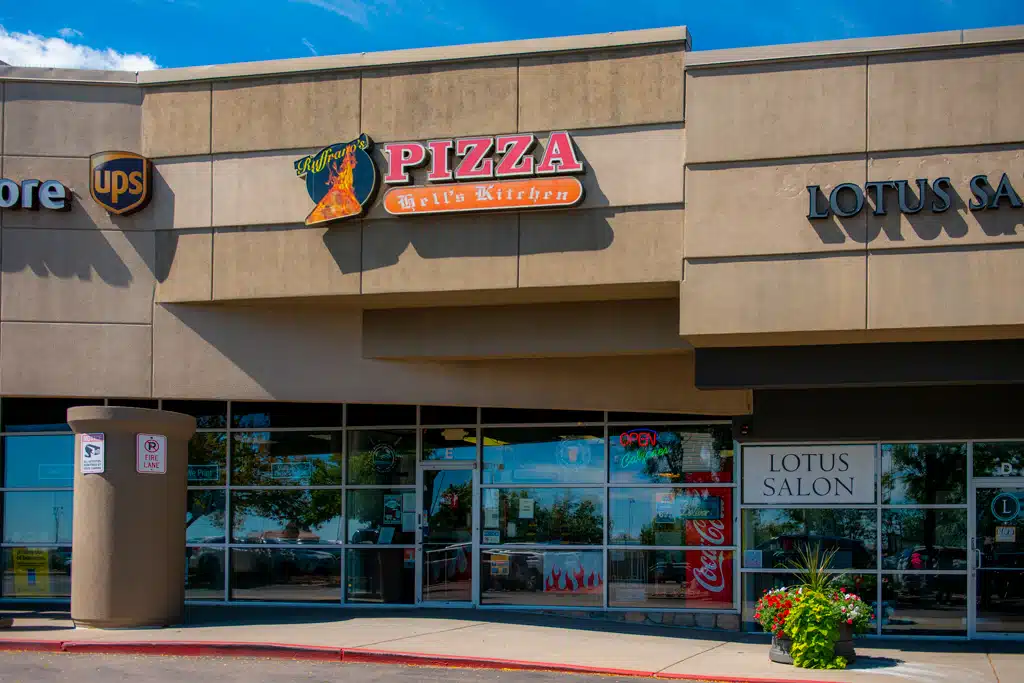
Ruffrano's Hell's Kitchen Pizza Cheyenne
Address: 1670 E Cheyenne Mountain Blvd, Colorado Springs, CO 80906
Phone number: +17195764355
FAQ About Pizza Place Cheyenne
What's the most popular pizza place?
The "most popular" pizza place depends on whether you measure by location count, total sales, or customer favorite status.
What is the 2 pizza rule?
The two-pizza rule is a management principle made popular by Amazon founder Jeff Bezos. It states that a team or meeting should never be larger than what can be fed with two large pizzas—typically translating to a group of 5 to 10 people (or roughly 6 to 12 people depending on appetites).
Is 2 pizzas enough for 10 people?
No, 2 pizzas are usually not enough for 10 people.