How to Discover a New Favorite Pizza Place in Cheyenne
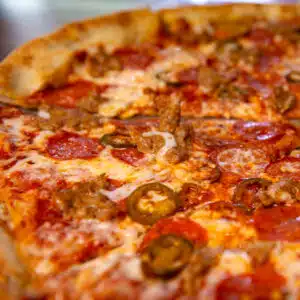
Finding a new favorite pizza place in Cheyenne is not as simple as typing a phrase into a map app and heading to the first shop with a four-star rating. Good pizza is personal. Great pizza becomes part of your routine. It turns into the place you suggest after a long workday, the spot you trust when family visits, or the one you rely on when you need dinner to be easy without feeling forgettable.
Cheyenne makes that search interesting. It is a city where people value consistency, straightforward hospitality, and food that earns repeat business. That matters with pizza. A place can look polished online and still miss the basics once you get the box home. Another can seem modest from the outside and deliver a crust with just the right chew, a sauce that tastes like somebody actually adjusted the seasoning, and staff who remember what regulars like.
The real trick is learning how to judge a pizza place with enough patience to find the one that fits your taste, your schedule, and the kind of meal you actually want.
Start with your own definition of "favorite"
Most people skip this step and end up disappointed for reasons they cannot quite name. They try three restaurants in two weeks, declare that none of them are "the one," and move on. Usually the problem is not that every pie was bad. It is that they were comparing apples to oranges.
Ask yourself what "favorite" means in your real life. For some people, it means the best crust in town, even if the wait is longer and the price runs a bit higher. For others, it means a dependable family dinner that lands on the table hot, with portions generous enough for lunch the next day. Some want a lively dine-in atmosphere. Some care most about pickup speed on a winter evening when the wind has no mercy and nobody wants to stand around in a parking lot.
A pizza place can be excellent and still not be your place. If you know that you love crisp, thin crust with light sauce, a deep, doughy pan pie is going to feel wrong no matter how well it is made. If your household includes children, vegetarians, or somebody who wants gluten-conscious options, flexibility matters as much as flavor. If you work odd hours, late-night reliability may count more than artisan toppings.
Cheyenne is the sort of place where practicality influences food choices more than people admit. Weather, driving time, event nights, and neighborhood convenience all shape whether you will become a repeat customer. Your favorite pizza place is the one that still makes sense on a Tuesday, not just on a special outing.
Reviews help, but only if you read them like a local
Online reviews are useful, but they need interpretation. A pizza place with a strong average rating may still not suit your preferences. A shop with a few rough reviews may have had delivery timing issues during peak hours but still produce an excellent dine-in pie.
The Ruffrano's Hell's Kitchen Pizza Cheyenne pizza place cheyenne most helpful reviews are specific. Look for details about crust texture, sauce balance, topping quality, and consistency over multiple visits. A sentence like "great food" does not tell you much. A note saying the pepperoni cupped nicely at the edges, the cheese browned evenly, and pickup was ready within ten minutes tells you that the reviewer paid attention.
Notice patterns rather than isolated complaints. If several people mention underbaked centers, overly salty sausage, or orders that are frequently late on weekends, that is worth factoring in. If the criticism is mostly about a style mismatch, that is less concerning. A person who wanted New York style foldable slices may give a lower rating to a thicker pie that was never trying to be that in the first place.
It also helps to filter reviews by occasion. A family who dined in with six people during the dinner rush had a very different experience from somebody grabbing a solo carryout lunch. If you are trying to find your go-to pizza place cheyenne residents genuinely return to, recency matters too. Restaurants change. New cooks come in, ovens get recalibrated, owners tighten standards, or quality slips when business gets busy.
Photos can reveal a lot if you know what to look for. Check whether the cheese coverage is even, whether the crust color looks pale or properly developed, and whether specialty pies seem thoughtfully built or overloaded. Too many toppings can sink a pizza. Balance is one of the clearest signs that a kitchen knows what it is doing.
Visit once for atmosphere, twice for accuracy
A single visit can be misleading. Restaurants have off nights. They also have honeymoon periods after an opening or remodel when every order gets extra attention. If you are serious about discovering a favorite, treat the first visit as reconnaissance and the second as confirmation.
On your first try, go with a simple pie. This is not the time to order half the menu or pile on six toppings. A cheese pizza, or maybe a pepperoni, will tell you far more about the fundamentals than a loaded specialty pie. When a kitchen gets the basics right, the rest of the menu usually follows.
Pay attention to timing. Was the pizza served hot enough to enjoy immediately? Did the crust hold up under the toppings? Was the center cooked through? Did the sauce taste flat, sweet, bright, herbal, or heavy on dried seasoning? These are small details, but they separate a decent meal from a place you want to revisit.
Then come back another day and order differently. If the first visit was dine-in, try carryout. If you ordered a thin pie the first time, test something with a few toppings on visit two. A favorite restaurant should not rely on one perfect setup. It should travel reasonably well, maintain standards, and make you feel confident ordering without crossed fingers.
Crust tells the truth faster than toppings ever will
People often focus on toppings because toppings are easy to compare. One place has roasted vegetables, another has spicy sausage, another offers hot honey or specialty cheeses. Those things matter, but crust does more to reveal the skill of the kitchen.
A good crust should have structure and intention. Thin crust should not collapse under a moderate topping load. Thicker crust should not feel gummy or bland. Edge texture matters too. A proper outer rim should show some character, whether that means blistering, crunch, chew, or a soft golden finish that suits the style.
In a city like Cheyenne, where pizza orders often involve carryout and delivery rather than long leisurely meals in the dining room, crust also needs resilience. By the time the box gets opened at home, steam has done its work. A weak crust falls apart. A well-made one stays appetizing even after the drive.
Sauce and cheese ratios matter just as much. Too much sauce can drown the crust. Too little can make the whole pie feel dry. Cheese should support the slice, not slide off in one sheet. When you find a place that gets these elements in balance, you are probably close to finding a keeper.
The menu should match the restaurant's strengths
There is a temptation to see a giant menu as a sign of quality. In practice, pizza restaurants are often better when they know their lane. A shop that does a few styles well and executes them consistently may outperform a place trying to offer every crust, every pasta, every sandwich, and every possible topping combination.
That does not mean variety is a bad thing. It means the menu should feel coherent. If the restaurant promotes house-made dough, carefully chosen toppings, or signature combinations that actually sound tested rather than invented in a hurry, that is a strong signal. If every specialty pie reads like a dare and the kitchen seems to be compensating with excess cheese and salt, quality may be less disciplined.
Cheyenne diners often appreciate substance over gimmicks. A balanced combination, such as sausage with peppers and onion, can tell you much more about a kitchen than a novelty pie loaded with sauces after baking. Look for signs that the menu was built by people who understand how ingredients behave in a hot oven.
Service matters more with pizza than people think
Pizza is one of the most forgiving foods when it is fresh and one of the most frustrating when the handoff goes poorly. Ten extra minutes on a counter can flatten your enthusiasm fast. A favorite place is not only about flavor. It is also about whether the whole process feels dependable.
Notice how the staff handle questions. If you ask about crust styles, house specialties, or wait times, do you get clear answers? Are they steering you toward what the restaurant actually does best, or just pushing the most expensive order? Competent service usually reflects a kitchen with standards.
Hospitality matters too. In many smaller or mid-sized city dining scenes, repeat business runs on how people are treated as much as what they are fed. A warm greeting, accurate timing, and a staff member who catches a small order issue before it becomes your problem all leave a mark. So does indifference.
If you are testing places with family or friends, notice whether the restaurant handles modifications sensibly. Some kitchens are careful and organized with requests. Others agree to everything and then send out confused pies that satisfy nobody. The best places are usually honest about what they can and cannot do well.
The best test order is simpler than most people think
If you want to evaluate a new pizzeria without overcomplicating it, use a short, repeatable test. That lets you compare places fairly instead of being distracted by novelty.
- Order a basic cheese or pepperoni pizza first.
- Try it as close to oven-hot as possible.
- Reheat one or two slices the next day.
- Judge crust, sauce, and cheese before toppings.
- Return for a second visit only if the fundamentals hold up.
That final point matters. Leftover performance is not trivial. Pizza is one of the few foods that often gets a second life. If the crust turns leathery, the cheese breaks into grease, or the sauce suddenly tastes harsh once cooled and reheated, you learn something valuable about ingredient quality and construction.
Pay attention to the room, even if you mostly order takeout
Atmosphere influences quality in subtle ways. A dining room does not need to be trendy to signal competence. Clean tables, a reasonably organized pickup area, and staff who appear calm during rush periods often suggest a restaurant with good systems behind the scenes.
Open kitchens, if available, can be especially revealing. You do not need to hover. Just glance. Are pizzas moving with purpose? Does the oven area look controlled or chaotic? Are boxes stacking up because the kitchen is ahead of the front counter, or because the whole operation is lagging? These clues matter.
Even if you plan to use carryout most of the time, a place that runs its dining room well usually handles orders well too. The reverse can also be true. If dine-in guests are waiting too long for basic service and nobody seems to know which pie goes where, your takeout experience may eventually suffer as well.
Time of day can change your opinion
A pizza place at 2:00 p.m. And the same place at 6:30 p.m. On a Friday can feel like two different restaurants. Dough behaves differently over the course of a service. Staff fatigue shows. Oven load increases. Delivery demand spikes. If you only test a place during an easy hour, you may get a misleadingly rosy picture.
That is why second visits matter. If your first meal was at an off-peak time and impressed you, try the next one during a busier window. A favorite place should be able to maintain quality under pressure, even if timing stretches a bit.
In Cheyenne, weather can add another layer. Cold evenings, snow, wind, and event traffic can stress both kitchens and delivery systems. A restaurant that communicates honestly about delays and still sends out a well-made pizza earns trust. One that overpromises and sends a lukewarm pie does the opposite.
Learn the difference between style and execution
One of the biggest mistakes people make when searching for a favorite pizza place cheyenne has to offer is confusing personal style preference with objective execution. You may not enjoy every type of pizza. That is normal. But it helps to separate "not for me" from "not well made."
Maybe you prefer a crisp, thinner crust, but the thicker pie you tried had even browning, good fermentation character, balanced toppings, and a clean finish. That is probably good pizza in a style you would not order every week. On the other hand, if a place claiming thin crust serves a pale, floppy pie with bland sauce and patchy cheese, that is an execution problem.
Making this distinction helps you judge restaurants more fairly and saves you from writing off a place too quickly. It also opens the door to discovering a restaurant that becomes your favorite for certain situations, even if it is not your universal first choice. Many experienced diners have different go-to spots for dine-in nights, quick pickup, game day orders, or feeding a crowd.
Ask a few smart questions without turning dinner into an interview
You do not need to interrogate the staff, but a few simple questions can quickly reveal whether a place takes pizza seriously. Listen not just for the answers, but for the confidence behind them.
- Which pizza best represents the shop?
- Is the crust style crisp, chewy, or more bready?
- What toppings pair best with the house sauce?
- Does the kitchen handle carryout differently for travel time?
- What does the staff order for themselves most often?
These questions work because they prompt useful specifics. Staff who know the product can usually answer right away. You may hear about a signature pie, a crust that stays especially crisp, or a topping combo that balances richness and acidity. That kind of knowledge is hard to fake.
Price should be judged against satisfaction, not just size
Pizza pricing can feel all over the map. One place charges more because it uses better cheese or premium meats. Another advertises a bargain but saves money with weaker dough, sugary sauce, or skimpy portions. The cheapest pie is rarely the best value if half the box goes uneaten.
Think in terms of satisfaction per meal. A slightly higher-priced pizza that tastes good hot, reheats well, and keeps everyone happy may be a better buy than a cheaper one that leads to side dishes, extra snacks, or disappointment. This becomes especially clear for families. People remember whether dinner felt worth it.
That said, value is not identical to luxury. A straightforward, no-nonsense pizzeria can become a favorite because it understands portioning, timing, and consistency. Not every memorable pizza has to be artisanal or elaborate. Sometimes the place that nails the basics and respects your time wins over the one with more ambitious branding.
Watch for consistency over flash
A favorite restaurant is built on repetition. The first good pizza gets your attention. The fourth good pizza gets your loyalty.
This is where many places separate themselves. Some kitchens produce a beautiful pie when the right cook is on shift, the rush is light, and you eat in-house. Others have systems solid enough that your order is reliably good across different days and formats. Consistency is not glamorous, but it is the quality people return for.
One practical way to test this is to vary your order slightly over time while keeping one common reference point. Maybe you always include a plain cheese pizza for the table, even when trying a specialty pie. That gives you a benchmark. If the basics stay strong, your confidence grows.
It also helps to notice how a restaurant handles a mistake. Wrong topping, delayed order, underdone crust, these things happen. What matters is whether the place fixes the problem promptly and professionally. A restaurant that responds well to small errors often deserves another chance. One that gets defensive over obvious misses is harder to trust.
Let your habits decide, not just your first impression
By the time you have tried a few places, the answer usually reveals itself through behavior. Which place do you think about unprompted? Which menu do you check when a busy night hits? Which pizza do you suggest when friends ask where to eat?
Favorites are not always the ones that win a blind tasting by a narrow margin. Often they are the restaurants that fit your life cleanly. The drive is reasonable. The ordering process is easy. The pie tastes like itself every time. The staff recognize repeat customers. You stop wondering whether dinner will be good and start assuming it will.
That is the sweet spot when searching for a pizza place in Cheyenne. Not the loudest advertising, not the trendiest toppings, not the highest review count. Just a restaurant that consistently turns flour, sauce, cheese, and heat into a meal you genuinely look forward to. Once you find that, you are done searching. You have a favorite.
Ruffrano's Hell's Kitchen Pizza Cheyenne
Address: 1670 E Cheyenne Mountain Blvd, Colorado Springs, CO 80906
Phone number: +17195764355
FAQ About Pizza Place Cheyenne
What's the most popular pizza place?
The "most popular" pizza place depends on whether you measure by location count, total sales, or customer favorite status.
What is the 2 pizza rule?
The two-pizza rule is a management principle made popular by Amazon founder Jeff Bezos. It states that a team or meeting should never be larger than what can be fed with two large pizzas—typically translating to a group of 5 to 10 people (or roughly 6 to 12 people depending on appetites).
Is 2 pizzas enough for 10 people?
No, 2 pizzas are usually not enough for 10 people.