Family Night Ideas at a Pizza Place in Cheyenne
Family night sounds simple until you try to make it work for everyone at the same table. One child wants pepperoni, another insists on plain cheese, a parent is hoping for one uninterrupted conversation, and somebody always needs extra napkins before the drinks even arrive. That is exactly why a pizza night tends to work so well. It removes a surprising amount of friction. The food is familiar, easy to share, and flexible enough for picky eaters and hungry teenagers in the same hour.
In Cheyenne, where family routines often run around school calendars, sports schedules, changing weather, and busy workweeks, a relaxed evening out has real value. A good pizza dinner is not just about eating away from home. It is one of the few outings that can feel low pressure without feeling forgettable. The right setting gives families room to settle in, laugh a little louder than usual, and turn an ordinary weeknight into something the kids remember.
The strongest family nights at a pizza place are rarely complicated. They work because parents make a few smart choices ahead of time, lean into the casual atmosphere, and give the evening just enough structure to keep it fun. If you are planning a family night at a pizza place in Cheyenne, there are plenty of ways to make the experience feel easier, warmer, and more memorable.
Why pizza works so well for mixed-age families
Pizza has one big advantage over many other restaurant meals. It is naturally communal. Instead of everyone ordering entirely separate dishes with different wait times and different levels of satisfaction, the table shares. That changes the feel of the evening right away. Kids reach for slices, parents trade bites, and the meal becomes interactive without requiring any effort from the adults.
It also buys time. At many family restaurants, children can become restless while adults study menus or wait for individual plates to arrive. Pizza reduces that pause. Even before the food lands, there is usually an easy conversation around toppings, crust choices, and whether one pie is enough or two is safer. Those tiny decisions help children feel included, which often leads to fewer complaints once the meal begins.
There is also the practical side. Pizza tends to be one of the better values for families eating out, especially compared with ordering separate entrees, sides, and drinks for four or five people. Depending on appetite and ages, a couple of large pizzas, one shared appetizer, and water or soft drinks can keep the bill more predictable than many casual dining alternatives. That matters on family nights, because repeatable outings are usually better than one expensive meal nobody can justify doing again.
A local pizza place Cheyenne families return to often has another advantage that chain dining cannot always match. The staff may recognize regulars, understand local school-night rhythms, and know how to pace service for a table with young children. Small details matter. Quick drink refills, a patient server, and enough space for a booster seat can make the difference between a stressful meal and one that actually feels restorative.
Picking the right kind of evening
Not every family night needs the same energy. pizza place cheyenne Some evenings call for celebration. Others call for survival. That distinction is worth taking seriously.
After a long week, many parents overplan family outings because they feel pressure to make them special. In practice, the best nights are often the ones that match the mood of the family. If everyone is tired, a simple meal with minimal expectations is enough. If a child just finished a season of soccer, brought home a strong report card, or had a birthday during a busy week, then the same pizza night can become a small celebration with almost no added cost.
Cheyenne families also know that weather can shape plans fast. A windy evening, an unexpected temperature drop, or a late afternoon schedule change can make a complicated outing feel like work. Pizza is useful because it adapts. You can keep the night spontaneous. You do not need a full itinerary. You need a place with a comfortable table, a menu with enough flexibility, and a plan for how to use the time together.
Turning dinner into an event without making it feel forced
The key to family night is not entertainment in the formal sense. It is participation. Families do better when the evening gives everyone something to do besides looking at a screen and waiting for the check.
A simple way to create that atmosphere is to let each person have one decision. One child picks the appetizer. Another chooses the family pizza split. A parent decides dessert, or whether the table goes with salad for balance. Even that level of involvement helps children feel ownership over the night. When kids help shape the meal, they are more engaged and usually more willing to try something that was not their first choice.
Another good tactic is to create a theme for the evening. It does not need decorations or elaborate planning. It can be as basic as “everyone shares one good thing from the week” or “each person picks a topping they have never ordered before.” Families with older children can turn it into a ranking game, scoring slices based on crust, sauce, cheese pull, and creativity. Younger children tend to enjoy the ritual of it more than the rules, which is fine. The point is simply to give the night a little identity.
I have seen this work especially well with families who struggle to get everyone off devices. A table game or recurring family-night tradition gives people a reason to stay present. It replaces the reflex to fill every pause with a phone check. In a casual pizza setting, that is easier to pull off than at a more formal restaurant, because nobody feels they have to perform perfect table manners for an hour.
Smart family night ideas that fit a pizza dinner
You do not need a craft bag or a complicated activity kit. A few reliable ideas go a long way, especially if they can happen entirely at the table.
Here are some family night formats that work particularly well:
- Build a tasting night. Order two pizzas with different topping profiles instead of one safe choice. For example, one classic pie and one more adventurous option. Let everyone compare favorites.
- Celebrate a small win. Use pizza night to mark ordinary milestones, a finished project, a reading goal, a first week at a new school, or a good effort after a hard day.
- Make it a story night. Have each person tell one funny memory, one family story, or one thing they remember from the past year.
- Try a no-phones dinner. Put phones away for the duration of the meal and replace them with conversation prompts, drawing on kids’ menus, or a simple guessing game.
- Let kids host. Older children can “run” the night by helping order, splitting slices, and deciding the table conversation prompts.
What makes these ideas effective is that none of them require a separate venue, special equipment, or a lot of extra spending. They fit the rhythm of a restaurant meal instead of competing with it.
The age factor changes everything
A family with a toddler needs a very different strategy than a family with middle schoolers. One reason some parents say restaurant family nights do not work is that they are using the wrong model for the age of their kids.
For younger children, timing matters more than almost anything else. If you arrive too close to bedtime, even a good pizza place can become a meltdown zone. The sweet spot is often earlier than parents think, especially if the children skipped a substantial afternoon snack. Hungry, tired kids do not care how convenient the venue is. They care about whether food appears soon.
At that stage, the best family night is often built around familiarity. Order at least one predictable pizza. Ask for the children’s food to come out as soon as possible if the restaurant can accommodate it. Keep the table activity simple, coloring, counting slices, talking about the biggest or cheesiest piece, or playing “would you rather” with silly prompts. The restaurant atmosphere should do most of the work.
Elementary-age kids usually hit the strongest family-night window. They are old enough to wait, old enough to participate, and still young enough to think shared rituals are exciting. This is a great age for topping votes, taste tests, and little traditions like always sharing one dessert or taking a family photo in the booth.
Teenagers require a different kind of thoughtfulness. They tend to resist anything that feels staged, but they still enjoy low-pressure time together, especially around good food. The trick is to keep the event casual and respectful. Let them bring input to the table, literally and figuratively. Ask what kind of pizza they want. Give them room to talk at their own pace. Family night with teens works best when it feels like a place to land, not a mandatory bonding exercise.
Ordering with strategy, not optimism
A surprising number of family nights go sideways because parents underorder, overorder, or try to please everyone with one pizza. There is no universal formula, but a little planning helps.
For a family of four with two younger children, two medium pizzas may be more comfortable than one large if topping preferences are different. For a family with teenagers, two large pizzas can disappear faster than many parents expect, especially if the kids came from practice. Appetizers are useful, but only when they solve a timing problem rather than inflate the bill. A basket of breadsticks or a shared starter can buy ten calm minutes if the kitchen is busy. On the other hand, ordering too much before the pizzas arrive can leave you with a table full of leftovers and a higher check than the night needed.
There is also the balance between familiar and adventurous ordering. In my experience, the best family tables do not swing too far in either direction. If you order only safe choices, the meal can feel routine. If you order only bold combinations, someone ends up eating reluctantly. A better approach is one dependable pizza and one wildcard. That gives children security and gives the night a bit of novelty.
When families are looking for a pizza place Cheyenne locals genuinely enjoy returning to, menu flexibility often matters more than gimmicks. Can the restaurant handle half-and-half toppings? Are there enough options for both cautious eaters and more curious ones? Is the crust style something children can manage easily? These are small questions, but they affect the whole tone of the evening.
Making the restaurant setting work for you
Not every good pizza restaurant is automatically good for family night. Parents often benefit from thinking about the room, not just the menu.
Noise level matters. Some background buzz is helpful because it lets families relax and worry less about every child-sized burst of laughter. Too much noise, though, and real conversation disappears. Booth seating usually works best for families who want a more contained, comfortable setup, especially with younger kids who settle better when they are not on the edge of a chair in a high-traffic aisle.
Spacing also counts. If your family brings a diaper bag, jackets, a booster seat, or sports gear straight from practice, a cramped table will feel stressful before the first slice lands. A place with enough room to settle in makes the night smoother for both guests and staff. Good service should never be taken for granted in that equation. Servers who understand the pace of family dining can transform the experience. They know when to bring refills quickly, when to clear plates without rushing, and when to check in before children become impatient.
One detail many parents forget is lighting. Bright, cheerful spaces tend to work better for younger children, while older kids and teens may enjoy a more relaxed evening atmosphere. Neither is automatically better. It depends on the purpose of the night. If the goal is quick, easy, and upbeat, brighter often wins. If the goal is a slower dinner and conversation after a game or event, a calmer setting may fit better.
Budgeting for a night you can repeat
The best family traditions are sustainable. If every pizza night feels like a splurge, it stops being a realistic habit. A better goal is to build a version of family night that fits your monthly budget without losing its appeal.
One smart approach is to decide before you leave home whether dessert is part of the plan. Last-minute add-ons can shift the total more than parents expect, especially with drinks, appetizers, and sweets layered together. Another is to treat family night as an exchange rather than an extra expense. If pizza night replaces takeout plus a separate entertainment cost, it may fit the budget more comfortably than it appears at first glance.
Portion planning helps too. Leftovers are not a problem if they are intentional. A couple of extra slices can make the next day’s lunch easier. The issue is paying for excess nobody wants later. Families who know their appetite patterns tend to do best. That comes with repetition, which is another reason local routines matter. The more often you return to a familiar spot, the easier it is to order well and keep the night efficient.
A little preparation goes a long way
Parents do not need to overengineer dinner, but a few small moves before leaving the house can preserve the mood of the whole evening.
A useful pre-dinner checklist looks like this:
- Choose the time carefully. Aim for a start time that beats peak hunger and bedtime fatigue.
- Set one simple expectation. It might be no phones, kind table manners, or everyone trying one bite of something new.
- Preview the plan with kids. Tell them what the night will look like so there are fewer surprises.
- Bring one quiet backup activity. A small drawing pad or card game can help if service runs slow.
- Know your spending limit. Decide in advance what you are comfortable ordering.
That kind of preparation takes five minutes, and it solves many of the problems that parents often blame on the restaurant itself.
Seasonal opportunities in Cheyenne
Cheyenne has a way of making indoor family outings especially appealing during certain stretches of the year. Winter is the obvious example. When temperatures drop and the wind picks up, a warm booth, hot pizza, and a longer meal feel more inviting than running around town. Family night at a pizza place becomes less about convenience and more about refuge. It gives everyone a shared destination without asking much from already tired parents.
Summer creates a different opportunity. With school out, days can feel less structured, which is enjoyable until families realize everyone has drifted into separate routines. A recurring pizza night can anchor the week. It creates a predictable moment when everyone reconnects. That consistency matters more than many people realize. Children often remember recurring rituals more vividly than one-off events, because routine gives memories a place to attach.
Back-to-school season is another strong time to start the habit. Early fall tends to bring a mix of excitement and stress. Schedules tighten, activities ramp up, and the first month ruffranoshellskitchenpizza.com pizza place cheyenne can feel scattered. A regular meal out at a pizza place Cheyenne families can rely on gives structure without adding pressure. It says, in effect, that even when the calendar fills up, there is still a pause built into the week or month.
When family night needs a reset
Not every outing will be smooth. A child gets overwhelmed, the wait is longer than expected, somebody spills a drink, or a teenager arrives in a bad mood and barely speaks. That does not mean the idea failed. It means the family is real.
The most experienced parents tend to handle these moments by lowering the emotional stakes. If dinner turns chaotic, scale back. Skip dessert. Box up leftovers. Focus on ending the night calmly rather than rescuing some ideal version of family bonding. One imperfect evening should not be allowed to ruin a good tradition.
It also helps to notice what did work. Maybe the youngest child loved helping pick toppings. Maybe your oldest finally told a funny story from school. Maybe everybody shared a meal without rushing. Family nights do not have to produce a dramatic memory every time. Often their value comes from repetition. Over time, the regular act of sitting down together in a relaxed place does more for connection than any heavily choreographed “special event.”
What children actually remember
Adults often focus on logistics, where to go, how much to spend, what time to arrive. Children remember the feel of the evening. They remember the booth, the laughter, the string of melted cheese, the time someone made a ridiculous topping choice and everybody talked about it for weeks. They remember getting to pour their own parmesan, splitting the last slice, or being trusted to order for themselves.
That is the quiet strength of family night at a pizza place. It does not demand perfect behavior, perfect planning, or a large budget. It creates a setting where togetherness feels natural. In a town like Cheyenne, where community and routine still matter, that kind of night holds its value. A dependable pizza dinner can become a family’s easiest tradition to keep, and one of the most rewarding.
When families find a pizza place Cheyenne residents appreciate for both comfort and consistency, they often stop searching for elaborate outing ideas. They already have one. A shared table, a couple of pizzas, and enough time to talk can carry a family night further than people expect.
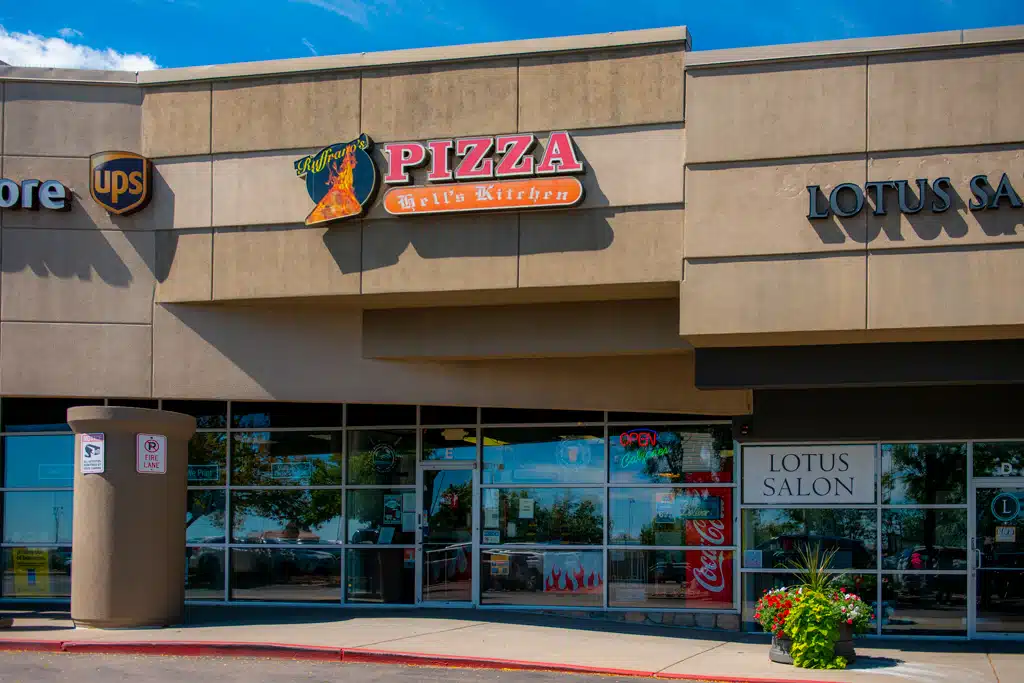
Ruffrano's Hell's Kitchen Pizza Cheyenne
Address: 1670 E Cheyenne Mountain Blvd, Colorado Springs, CO 80906
Phone number: +17195764355
FAQ About Pizza Place Cheyenne
What's the most popular pizza place?
The "most popular" pizza place depends on whether you measure by location count, total sales, or customer favorite status.
What is the 2 pizza rule?
The two-pizza rule is a management principle made popular by Amazon founder Jeff Bezos. It states that a team or meeting should never be larger than what can be fed with two large pizzas—typically translating to a group of 5 to 10 people (or roughly 6 to 12 people depending on appetites).
Is 2 pizzas enough for 10 people?
No, 2 pizzas are usually not enough for 10 people.